I’ve spent years trying to make my recordings sound better. It turns out that what I really needed was to stop making them sound like something else.
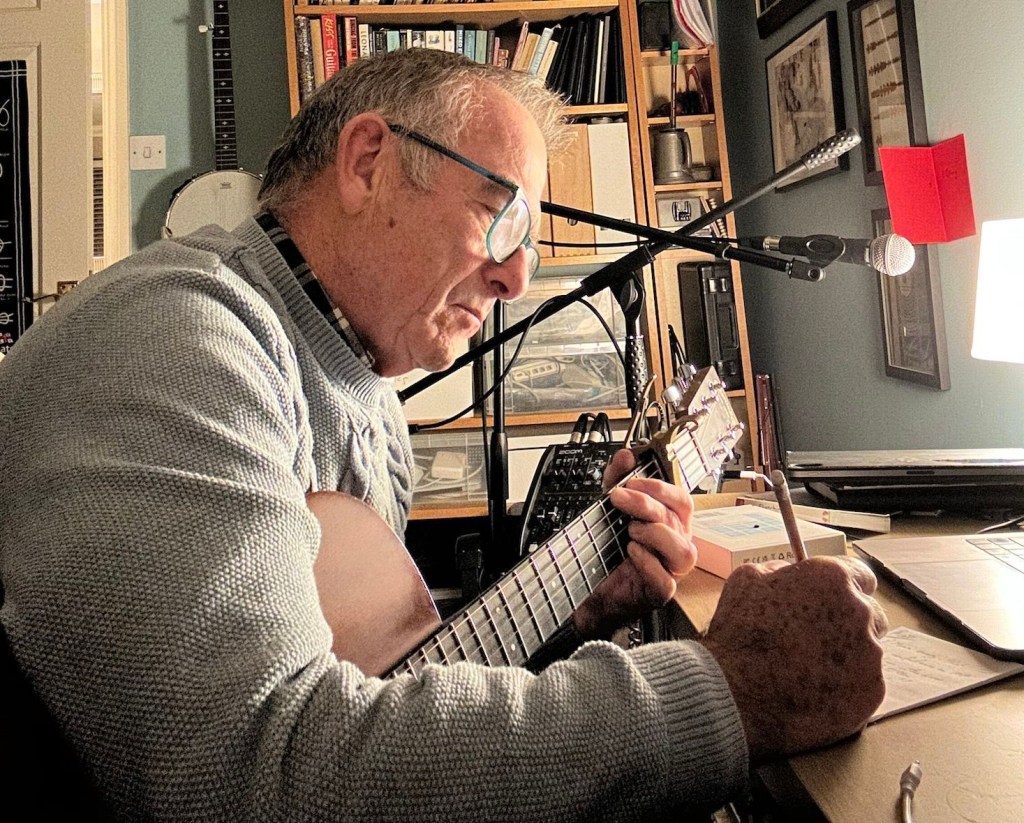
Over the years I’ve accumulated a bewildering collection of recording equipment, software and effects. Reverb, chorus, compression, delay — you name it, I’ve probably tried it. Usually without fully understanding what it did, but confident that somewhere amongst all those knobs and settings lay the secret to a professional sound.
And sometimes the results were quite impressive. At least until I listened again the following morning.
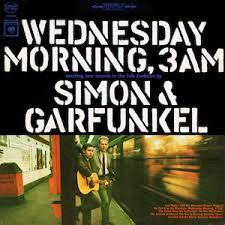
Recently, as I’ve started recording songs for a new album, I’ve been listening to some of the music that first inspired me. Paul Simon’s early recordings, Bob Dylan, and Bruce Springsteen’s Nebraska. Recordings that, in some cases, were made with equipment considerably less sophisticated than the stuff sitting in my spare bedroom.
What struck me wasn’t how good the recordings sounded. It was how little I noticed the recording at all.
There was a singer, an instrument and a song. Nothing seemed to be getting between them and me.
So I’ve been conducting a small experiment.
Stripping things away rather than adding them. Recording my guitar and voice together, as I would perform them, and resisting the temptation to improve every little imperfection afterwards. Here’s a sample of what I mean….
It’s surprisingly difficult.
There’s always a note that could have been sung better, a guitar phrase that could have been cleaner, or a setting that might add just a little more warmth.
And there’s always the possibility of doing another take.
Which brings me to something I’ve noticed about my songwriting. I’ve got quite a collection of nearly finished songs. Songs that need just one more line changing, one more verse polishing, one more elusive improvement before they’re ready.
I wonder how often the pursuit of something better prevents us from recognising something that’s already good.
Of course, there’s a difference between accepting mediocrity and knowing when to stop. I’m still trying to work out where that line lies.
But perhaps I’ve been asking the wrong question.
Instead of asking whether a recording is as good as I can possibly make it, perhaps I should be asking whether it says what I wanted to say.
Whether someone listening can hear the story, feel something of what I felt when I wrote it, and perhaps recognise a little of themselves.
If they can, maybe the recording has done its job.
And perhaps I can finally leave that reverb knob alone.